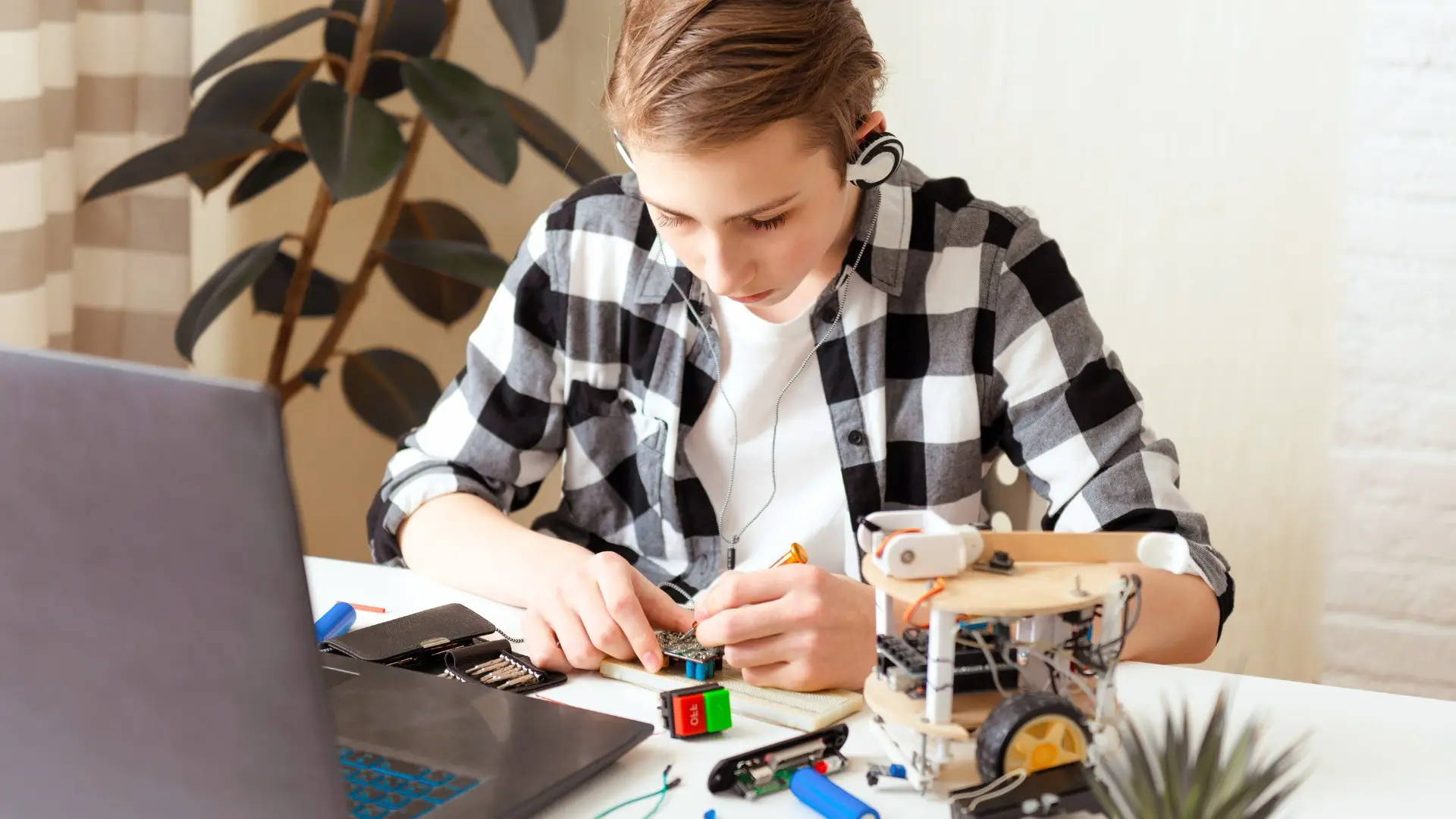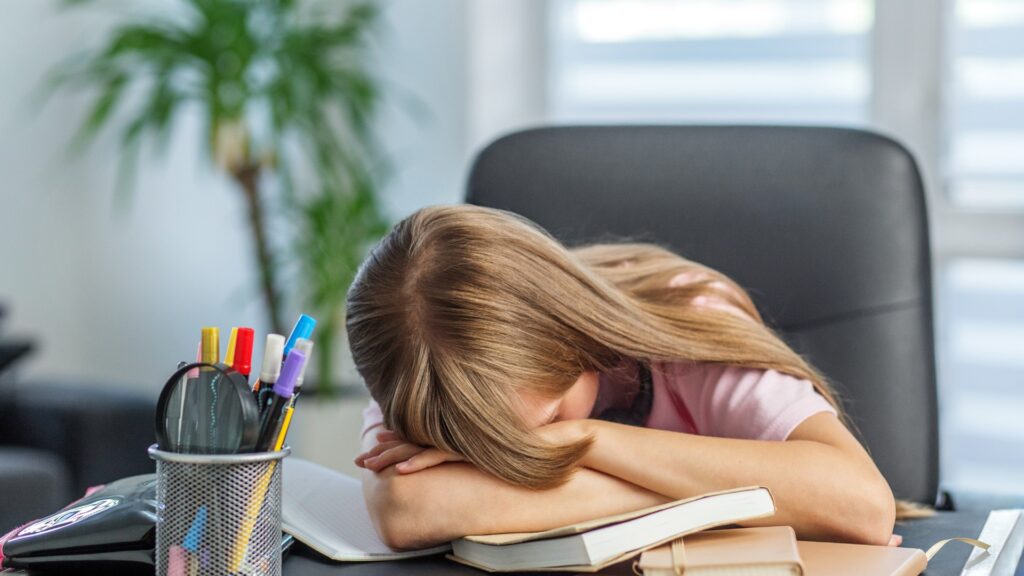
If your child walks in the door after a “fine” day at school and immediately explodes—tears, yelling, refusal, or total shutdown—you may already be living with ADHD after school meltdowns.
It can feel confusing and unfair:
- The teacher says they were “great all day,”
- Your child insists school is “no big deal,”
- But the moment they get home, there’s a fight over snacks, homework, or the tiniest change in plan.
Parents often blame themselves or their child:
“Why do they save the worst for me?”
“Is this disrespect?”
“Am I doing something wrong at home?”
In reality, ADHD after school meltdowns are usually a sign that your child has been working incredibly hard to hold it together all day—and home is where their nervous system finally lets go.
In this guide, we’ll break down:
- What ADHD after school meltdowns are (and what they’re not)
- Why your child can “manage” at school and collapse at home
- How ADHD and executive function affect emotional overload
- Practical after-school routines that actually reduce meltdowns
- How to respond in the moment without feeding shame
- How ADHD coaching can help calm your evenings long-term
What Are ADHD After School Meltdowns?
ADHD after school meltdowns are intense emotional blowups or shutdowns that happen shortly after a child with ADHD gets home from school. They can look like:
- Screaming, slamming doors, or arguing over “nothing”
- Crying that seems way bigger than the situation
- Refusing to do anything—homework, chores, even choosing a snack
- Collapsing on the couch, zoning out, or shutting down completely
- Picking fights with siblings or parents
These meltdowns are not usually manipulative or “for attention.” They’re often the result of:
- All-day effort to sit still, focus, and follow instructions
- Masking—trying to seem fine, even when overwhelmed
- Sensory overload from noise, lights, and crowds
- Social strain—navigating friends, group work, and unspoken rules
By the time your child gets home, their tank is empty. ADHD after school meltdowns are often their nervous system’s way of saying, “I can’t hold it together one more second.”

Get an inside look at how our coaching works, what to expect, and how to get started. It’s free — and packed with helpful info for parents and students!
Download the GuideADHD After School Meltdowns: Why Your Child Holds It Together Then Crashes at Home
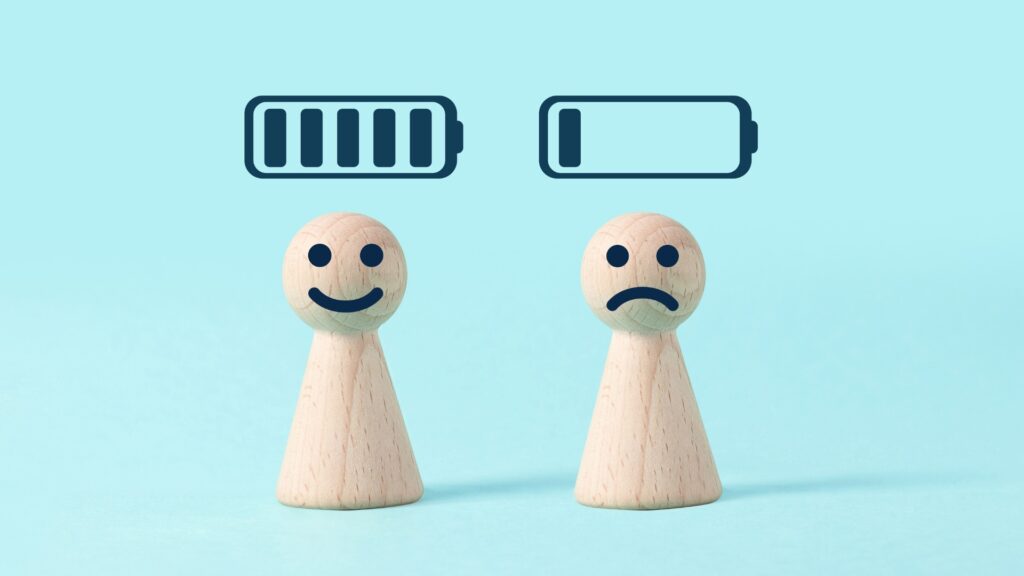
It can feel deeply unfair that teachers see your child’s best behavior while you get the meltdown. Understanding why ADHD after school meltdowns happen can take some of the sting—and the shame—out of it.
Restraint collapse and masking
Many kids with ADHD experience what some call “restraint collapse”:
- All day, they restrain impulses, fidgets, comments, and emotions.
- At home, the restraint collapses, because home feels safe.
Kids may:
- Sit still even though their body is screaming to move
- Stay quiet even when they want to comment or joke
- Push through noisy cafeterias, bright lights, and constant transitions
- Try to follow multi-step directions even when their brain wants to wander
This can look like they’re “fine” at school—but it doesn’t mean school is easy. It just means the cost shows up later as ADHD after school meltdowns.
Why home gets the overflow
At home, your child:
- Feels safer to show their real feelings
- Doesn’t fear losing friends or getting in trouble the same way
- Knows you love them “no matter what,” even if they can’t articulate that
So all the stress, sensory overload, and effort spills out. It’s not a compliment when ADHD after school meltdowns land on you, but it is a sign that you’re the safest place they have.
How ADHD Affects Emotional Regulation and After-School Behavior
ADHD isn’t just about attention. It’s deeply connected to emotional regulation and executive function—the brain’s self-management system.
When you look at ADHD after school meltdowns through this lens, they start to make more sense.
Executive function: the brain’s manager
Executive function is what helps kids:
- Shift from one task to another
- Pause before reacting
- Hold instructions in mind
- Plan and prioritize
- Notice when they’re getting overloaded
For kids with ADHD, these skills lag behind:
- Transitions (school → home, play → homework) are harder
- Self-monitoring (“I’m getting overwhelmed”) is weaker
- Pausing before reacting is more difficult
So when something small goes wrong after school—a wrong snack, an unexpected stop, a homework reminder—that tiny trigger can tip a tired brain into a full ADHD after school meltdown.
Emotional intensity and “all-or-nothing” reactions
Many kids with ADHD feel emotions more intensely and have trouble turning the volume down once something hits.
After a long day of:
- Correcting themselves
- Being corrected by adults
- Navigating social uncertainty
…the emotional “cup” is already full. One drop—like “Time to start homework”—can overflow into a meltdown.
Understanding that ADHD after school meltdowns are tied to brain wiring, not just attitude, helps you respond with support instead of only punishment.
A Practical After-School Flow to Reduce ADHD After School Meltdowns
You can’t control everything that happens at school. But you can design what happens in the first hour after your child gets home.
A predictable, ADHD-friendly after-school reset can significantly reduce ADHD after school meltdowns.
Think in this order: refuel → decompress → connect → plan.
1. Refuel: snack and water first
Hungry + tired = explosive. Start with:
- A protein + carb snack (yogurt, cheese + crackers, peanut butter + apple)
- Water or a drink to rehydrate
Keep it simple and automatic:
“Snack first, we talk about the day after.”
You’re lowering the odds that ADHD after school meltdowns are driven by low blood sugar and dehydration.
2. Decompress: quiet time before homework
Kids with ADHD often need off-duty time to reset their nervous system.
This might look like:
- 15–20 minutes of quiet free play in their room
- Time outside on the trampoline or swing
- Drawing or building something
- A show or game within agreed limits (if screens are regulating, not overstimulating)
The key: this is pre-planned decompression, not a negotiation. You might say:
“When you get home, we always do snack, then 20 minutes of chill time. After that, we’ll decide together when homework starts.”
Predictable decompression time reduces ADHD after school meltdowns because your child knows they can exhale—without fighting for it.
3. Connect: short check-in, not an interrogation
After snack and decompression, have a brief connection moment:
- “What was one good thing and one hard thing about today?”
- “Is there anything I need to know for tomorrow?”
Keep it low-pressure. This isn’t a full debrief; it’s a touch point that says: “I’m on your team.”
If your child is not talkative, you can still reduce ADHD after school meltdowns by calmly reviewing:
- The evening’s plan (dinner, activities)
- Homework load
- Any changes from normal routine
4. Plan: choose homework timing together
Many families do better when kids have some choice about homework timing within clear limits.
You might say:
“We need about 30 minutes for homework today. Do you want to do it at 4:15 after your break, or at 5:00 before dinner?”
Choice + structure = more buy-in and fewer ADHD after school meltdowns over “Do it now!” battles.
What to Say (and Not Say) During ADHD After School Meltdowns
Even with a thoughtful routine, ADHD after school meltdowns will still happen. No system works 100% of the time. What you say in those moments can either escalate or slowly calm the storm.
Things to avoid in the moment
In the middle of a meltdown, your child’s rational brain is offline. Avoid:
- Long lectures (“We go through this every day…”)
- Comparisons (“Your sister doesn’t act like this…”)
- Character statements (“You’re being ridiculous/overdramatic/ungrateful.”)
- Demanding instant logic (“Tell me why you’re doing this right now.”)
These responses often intensify ADHD after school meltdowns and pile shame on top of overwhelm.
Calming phrases that help regulate
Instead, try short, regulating phrases:
- “You’re really overwhelmed. I get it.”
- “You’re safe. We can figure this out when your brain is calmer.”
- “I’m going to stay nearby while you cool off.”
- “We can talk about homework later. Right now, breathe with me.”
You are not “rewarding” the meltdown. You’re helping your child’s nervous system come back to baseline so you can solve the real problem later—when ADHD after school meltdowns aren’t running the show.
After the storm: repair and reflect
Later that evening or the next day, you can gently ask:
- “What do you remember about yesterday when you came home?”
- “What did your brain and body need that we missed?”
- “What could we try next time so it feels a little easier?”
Over time, this “post-game review” helps kids:
- Build self-awareness
- Notice early signs of overload
- Participate in designing routines that prevent ADHD after school meltdowns
How ADHD Coaching Helps Calm Evenings
You don’t have to manage ADHD after school meltdowns alone or reinvent systems every week. This is where ADHD coaching can make a practical difference.
What coaching does for the child
An ADHD coach helps your child:
- Understand why after-school time is so hard for their brain
- Recognize early signs of overload (tension, irritability, shutdown)
- Build a customized after-school routine (snack, decompression, homework plan)
- Practice communication scripts: “I’m overloaded, I need 10 minutes,” instead of exploding
- Create small, realistic goals for homework and evenings
Instead of you being the only one pushing routines, coaching makes the child a partner in reducing ADHD after school meltdowns.
What coaching does for the parent
For parents, coaching offers:
- A neutral third party to support routines, so it’s not always “Mom/Dad vs. child”
- Practical tools (checklists, timers, Pack & Stage, Sunday resets)
- A place to ask, “Is this ADHD or something else? Is my expectation realistic?”
- Language you can use in the moment to de-escalate
At Carolina ADHD Coaching, we often work directly with both the child and the parent around ADHD after school meltdowns:
- Designing a routine that actually fits your family’s life
- Testing it for a few weeks
- Tweaking it based on what works (or doesn’t) instead of blaming effort or willpower
FAQ: ADHD After School Meltdowns
Are ADHD after school meltdowns normal?
They are very common. Many kids with ADHD hold it together all day and then release all that stress and effort at home. It’s not a sign you’re a bad parent. It’s a sign your child’s nervous system is overloaded.
Should I let my child have downtime after school, or start homework right away?
Most kids with ADHD need a short, structured reset first—snack, decompression, then homework. A predictable routine usually lowers ADHD after school meltdowns more than “work first, relax later” battles.
Does medication fix ADHD after school meltdowns?
Medication can help some kids with focus and regulation, but it doesn’t erase the need for routines, decompression, and emotional support. Many families find that even with medication, they still need an after-school plan to reduce meltdowns.
How do I know when we need extra help?
If ADHD after school meltdowns are happening most days, making evenings miserable, or affecting siblings and your own mental health, it’s a good time to seek support—through your pediatrician, a therapist, and/or ADHD coaching.
When ADHD After School Meltdowns Become the Family Routine (and How to Reset)
Sometimes ADHD after school meltdowns stop being “bad days” and start to feel like the way your family runs every afternoon. You might notice:
- Everyone tenses up when the bus pulls up or the carpool pulls in
- Siblings scatter or retreat because “here we go again”
- You brace yourself for yelling, refusal, or shutdown before it even happens
- Evenings are built around avoiding triggers, not enjoying time together
When this happens, it’s not just your child who is exhausted—the whole family system is worn out. The good news is that systems can change, even if ADHD after school meltdowns have been happening for a long time.
Step 1: Separate the child from the pattern
It’s easy to slide into thinking, “This is just who they are now.” Try to mentally separate:
- Your child as a person
- The pattern of ADHD after school meltdowns that has built up over time
You might even say to yourself:
“My child is not a meltdown. We’re stuck in a pattern, and patterns can change.”
This mindset shift matters, because it keeps you in problem-solving mode instead of giving up or only reacting.
Step 2: Zoom out and name what’s actually happening
Take one evening (not in the middle of a crisis) and ask:
- What time do we usually get home?
- What typically happens in the 30 minutes before a meltdown?
- What am I usually doing or saying?
- What is my child being asked to do (or stop doing)?
- What do siblings or other adults do in those moments?
Write it down like a mini timeline. Often you’ll see the same ingredients feeding ADHD after school meltdowns:
- Immediate demands (“Get your homework out now.”)
- No snack yet
- No movement or decompression time
- Sudden changes in plan
The goal is not to blame yourself or your child. It’s to see the pattern clearly enough to change one piece at a time.
Step 3: Change one thing, not everything
When ADHD after school meltdowns feel out of control, the temptation is to overhaul your entire life in one weekend. That almost always backfires.
Instead, pick one change to test for 1–2 weeks:
- Always snack and hydrate before any questions about the day
- Always do 15–20 minutes of quiet time before homework is mentioned
- Always review the evening plan before you get home (in the car)
- Always offer two homework start time options instead of “right now”
Tell your child, in simple terms, what you’re trying:
“Evenings have been rough. We’re going to try snack + quiet time first for a couple of weeks and see if that makes it easier.”
You’re modeling that ADHD after school meltdowns are a shared problem the family is working on—not just “their bad behavior.”
Step 4: Protect connection, even if the routine isn’t perfect yet
Systems take time to settle. Some days your new routine will work; some days it won’t. In the middle of that, look for tiny ways to protect connection:
- A short hug or hand on the shoulder during snack
- A one-line acknowledgment: “Today seemed really long.”
- A simple repair after a hard evening: “We both got overwhelmed. I still love you. We’ll try again tomorrow.”
These small moments don’t magically erase ADHD after school meltdowns, but they keep your relationship from being defined by them. That relationship is the foundation everything else rests on—routines, coaching, school communication, all of it.
If you’ve been living inside this pattern for months or years, it’s understandable to feel discouraged. You don’t have to fix everything at once. You just need one small change at a time, repeated enough that “how we do evenings” slowly shifts away from ADHD after school meltdowns being the default.
A Calmer Path Forward

If you’re living with ADHD after school meltdowns, it doesn’t mean your child is ungrateful or you’re failing as a parent. It means your child:
- Is using enormous effort to get through the school day
- Has a nervous system that gets overloaded faster
- Needs predictable support to transition from “school mode” to “home mode”
Small changes—snack before questions, decompression before demands, clear routines and language—can make a real difference. Coaching can help you build and stick to those changes without doing it all alone.
At Carolina ADHD Coaching, we work with kids, teens, young adults, and parents in Greenville, Fort Mill/York County, and virtually across the U.S. to:
- Reduce ADHD after school meltdowns
- Build calmer after-school and evening routines
- Turn daily power struggles into small, doable steps forward
If this post helped you feel less alone in facing ADHD after school meltdowns, consider sharing it with another parent who might be fighting the same battles behind closed doors.
Get an inside look at how our coaching works, what to expect, and how to get started. It’s free — and packed with helpful info for parents and students!
Download the Guide