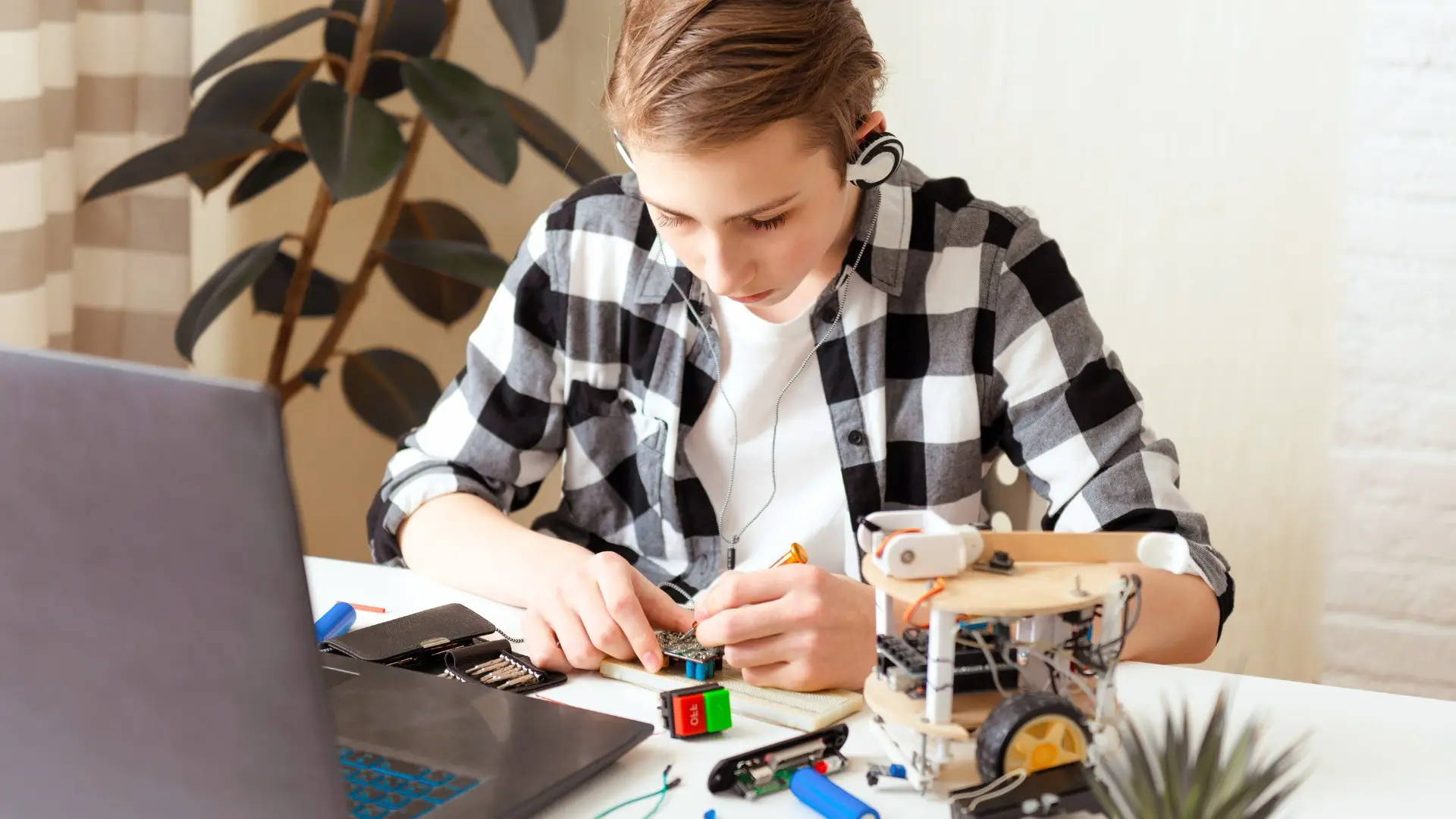
Executive function activities for teens matter because teens do not build these skills just by hearing more reminders.
They build them through practice.
That is one of the biggest mindset shifts I wish more families understood. A teen does not become better at planning because someone says, “You need to be more responsible.” They do not become better at time management because a parent gets more frustrated. They do not suddenly learn how to organize, prioritize, shift tasks, or follow through just because the stakes are higher.
Most teens build these skills by doing them — imperfectly, repeatedly, and with support.
That is why executive function activities for teens can be so powerful. They give teens a chance to practice the exact mental skills that school, home life, and future independence keep demanding. When activities are chosen well, they help teens strengthen planning, organization, task initiation, self-monitoring, emotional regulation, and follow-through in ways that feel real and useful.
And that matters, especially for teens with ADHD, executive dysfunction, anxiety, or uneven maturity.
A lot of teens are bright enough to hide weak executive function skills for years. Then middle school gets more complicated. High school adds more pressure. Parents step back a little, teachers expect more independence, and suddenly everything starts feeling harder. That is often when families realize the issue is not just motivation. It is the skill set underneath the motivation.
This is where executive function activities for teens can help. Not as busywork. Not as one more thing to force. But as practical ways to build real-life functioning.
In this post, I want to walk through what executive function activities actually are, why everyday life can be one of the best places to build these skills, which kinds of activities help most, and how parents can support growth without turning everything into a lecture.
Why Teens Need Practice, Not Just Reminders
A lot of parents spend their teen’s middle school and high school years in reminder mode.
Did you write it down?
Did you turn it in?
Did you email the teacher?
Did you pack your bag?
Did you start the project?
Did you check your planner?
That pattern makes sense. Teens often need those reminders.
But reminders alone do not build the skill.
That is why executive function activities for teens matter so much. They move students from hearing what to do into actually practicing how to do it. And that practice is where growth happens.
A teen who struggles with planning needs chances to plan.
A teen who struggles with time management needs chances to estimate and adjust time.
A teen who struggles with organization needs chances to build and maintain simple systems.
A teen who struggles with follow-through needs experiences that connect intention to action.
This is one reason so many families feel stuck. They are trying to build executive function through correction alone.
What usually works better is giving teens structured, real-world repetition.
If reminders, rewards, and “just try harder” aren’t working, there’s a reason. Discover what actually helps an ADHD brain get moving.
What Executive Function Activities for Teens Actually Are
When parents hear the phrase executive function activities for teens, they sometimes imagine worksheets, games, or something that feels artificial.
That is not really what I mean.
Yes, some games and structured activities can help. But the most effective executive function activities for teens are often woven into ordinary life. They are the kinds of tasks that ask teens to plan, organize, estimate time, make decisions, shift gears, and follow through with support.
That may look like:
- planning a weekly schedule
- packing for a trip
- managing a school project timeline
- organizing a backpack or workspace
- helping with meal planning
- budgeting spending money
- preparing for an appointment
- handling part of a family routine independently
- managing a sports or extracurricular checklist
- using a visual planning system consistently
These activities work because they connect executive function to actual life, not just theory.
A teen is much more likely to build skill through a repeated real-world task than through a vague conversation about “being more responsible.”
That is why I like executive function activities for teens that feel functional, meaningful, and repeatable.
The Best Executive Function Activities for Teens Usually Happen in Everyday Life

This is one of the most encouraging things for families: you do not need to invent a whole second life of executive function practice.
Daily life already gives you plenty of opportunities.
The key is learning to see those opportunities differently.
A family calendar is not just a calendar. It can become one of the best executive function activities for teens if the teen is actually using it to preview the week, identify pressure points, and plan ahead.
Packing a sports bag is not just a routine task. It is a chance to practice sequencing, organization, and self-monitoring.
Meal planning is not just helping at home. It can support planning, working memory, prioritization, and follow-through.
Even getting ready for school can become one of the most useful executive function activities for teens when the teen is learning how to manage a repeatable sequence with less parent prompting.
This matters because teens usually do better when skill-building feels connected to real life. They are often more willing to engage when the activity has a visible purpose.
And that purpose is what helps practice stick.
Executive Function Activities for Teens That Build Planning Skills
Planning is one of the most important — and most overlooked — executive function skills for teens.
A lot of adolescents know what is due. They just do not know how to map out the path from now to done.
That is why some of the best executive function activities for teens involve planning in a visible, concrete way.
A few strong examples:
Weekly preview sessions
Once a week, have the teen look at the upcoming calendar, assignments, events, practices, and obligations. The goal is to notice what is coming before it turns urgent.
Project mapping
Take one larger task and help the teen divide it into smaller steps across several days. This is one of the most practical executive function activities for teens because it teaches backward planning.
Schedule design
Have the teen build their own realistic after-school routine with homework blocks, breaks, and non-school responsibilities.
Event preparation
Planning for a weekend trip, school event, or appointment can become a low-stakes way to practice thinking ahead.
These activities help because they make planning visible. Teens often need to see time and tasks externally before they can manage them internally.
Executive Function Activities for Teens That Build Organization

Organization is another area where teens often need practice, not just more criticism.
A teen may want to be organized but still not know how to build a system they can keep using. That is why some of the most useful executive function activities for teens involve creating and maintaining simple systems.
Examples include:
Backpack reset
Once or twice a week, have the teen empty, sort, and repack their bag. This builds awareness of what they are carrying and what keeps getting lost.
Homework zone reset
A desk cleanup routine can become one of the best executive function activities for teens when it is tied to specific categories: papers, chargers, notebooks, trash, current work.
Digital organization
Teens often need just as much help organizing online school platforms, files, tabs, and email as they do with paper materials.
Supply station setup
Let the teen create an easy-to-use home base for the materials they constantly need.
What matters is that the system is simple enough to maintain.
Overcomplicated organization systems usually collapse fast. Good ones reduce searching, reduce friction, and help the teen know what comes next.
Executive Function Activities for Teens That Build Time Awareness
A lot of teens do not struggle with effort as much as they struggle with time.
They think a task will take fifteen minutes when it really takes forty-five. They believe they still have plenty of time until suddenly they do not. They underestimate transitions, overestimate what can happen in one evening, and fall into a cycle of last-minute pressure.
That is why some of the most important executive function activities for teens are really time-awareness activities.
These can include:
Time estimation practice
Before a task, ask the teen how long they think it will take. Then compare that estimate to reality afterward.
Timer-based work starts
Use a short timer for getting started rather than for finishing everything.
Time mapping
Have the teen sketch out the actual blocks of their day so they can see where time is going.
Transition countdowns
Give visual or verbal countdowns before a shift in activity so the teen has time to prepare mentally.
These are useful because time is often too abstract for many ADHD students and teens. Once time becomes more visible, the teen can start building better judgment around it.
How to Keep Executive Function Activities for Teens From Feeling Like Punishment
This part matters a lot.
Teens will resist anything that feels like one more way adults are trying to fix them.
That is why executive function activities for teens work best when they feel useful, collaborative, and realistic — not overly therapeutic or controlling.
A few things help:
Let the teen participate in designing the system
Teens are much more likely to use what they helped create.
Focus on one weak point at a time
Trying to fix every skill at once usually feels overwhelming.
Keep the language practical
Instead of “We need to work on your executive functioning,” try “Let’s make this easier to keep track of.”
Use real-life relevance
Activities work better when the teen understands how they help school, sports, money, social plans, or independence.
Notice success without overdoing praise
A simple “You handled that more independently” often lands better than a long performance review.
This is where many families get traction. When executive function activities for teens feel like support instead of judgment, buy-in improves.
What Parents Should Focus On First
If you are reading this and thinking, “This all sounds helpful, but where do I even begin?” — start small.
The best first executive function activities for teens are usually the ones tied to the most visible stress point in your home.
If mornings are the problem, start there.
If homework starts are the problem, start there.
If lost materials are the problem, start there.
If time awareness is the problem, start there.
You do not need a giant skill-building plan. You need one place where the system keeps breaking down and one simple activity that helps the teen practice that skill more intentionally.
Parents often see better progress when they:
- choose one area
- make the activity repeatable
- keep it simple
- support it consistently for a while
- review what worked without blame
That is how executive function activities for teens become part of real growth rather than just another short-lived attempt.
When Coaching Makes Executive Function Activities More Effective

Sometimes families can create meaningful progress at home with better routines and more intentional practice.
Sometimes they need more support.
That is where coaching can help.
A lot of teens do not just need more reminders. They need help understanding their own patterns, identifying what is hardest, and learning how to build systems they can actually keep using. That is one reason executive function activities for teens often work better when paired with coaching support.
- recognize where they get stuck
- practice planning routines
- build better time habits
- create systems around school demands
- reflect on what works
- grow independence gradually instead of through constant conflict
This is especially useful when a teen is capable but inconsistent, overwhelmed by school, or locked in repeated battles at home. In those cases, executive function activities for teens become much more effective when someone is helping the student connect the activity to a real self-management goal.
A Better Way to Think About Building These Skills
If I could simplify this for families, it would be this:
Teens do not build executive function by being told to have more executive function.
They build it by practicing the exact skills they are weak in, in ways that feel real, repeatable, and supported.
That is why executive function activities for teens matter.
They turn abstract expectations into real-life practice. They help teens build systems around planning, organization, time, routines, follow-through, and independence. And when those systems improve, the teen usually feels less overwhelmed — and the parent usually feels less like they are carrying everything alone.
That is the kind of change that lasts.
FAQ: Executive Function Activities for Teens
What are executive function activities for teens?
Executive function activities for teens are practical tasks and routines that help teens build planning, organization, time management, follow-through, working memory, and self-monitoring skills.
Do executive function activities for teens have to feel like schoolwork?
No. In fact, the best executive function activities for teens are often built into real life, things like planning a week, organizing materials, packing for a trip, budgeting, or managing a routine.
Which executive function activities for teens help most?
Activities that build planning, organization, time awareness, and task initiation are often the most useful because those are some of the biggest stress points for students.
Can executive function activities for teens help ADHD students?
Yes. Executive function activities for teens are especially useful for ADHD students when they are simple, repeatable, and tied to the student’s actual daily stress points.
Why Real-Life Practice Changes More Than Good Intentions
A lot of teens already know what adults want from them. They know they should start earlier, stay organized, manage time better, and follow through more consistently. The problem is usually not a lack of awareness. The problem is that knowing what to do and doing it in real life are not the same thing.
That is why real-life practice matters so much.
When teens repeatedly practice planning, organizing, estimating time, and managing routines in everyday situations, those skills start becoming more usable. They stop feeling like abstract expectations and start becoming habits. This is also why small, repeatable practice often works better than one big reset. Growth usually happens through consistency, not pressure. And when teens get that kind of practice with support, confidence often starts growing alongside the skill itself.
Final Thoughts
If your teen struggles with follow-through, organization, time management, or independence, that does not mean they are incapable.
It may simply mean they need more practice with the exact skills daily life keeps asking of them.
That is where executive function activities for teens can make such a difference. They help teens build real-life skills in real-life settings — not perfectly, but meaningfully.
And for many families, that is where things begin to feel more possible.
Get an inside look at how our coaching works, what to expect, and how to get started. It’s free — and packed with helpful info for parents and students!
Download the Guide