A mom once described ADHD and puberty to me this way: “It is like someone swapped my child for a different kid over the summer.” Her son had been a cheerful, chatty eleven-year-old who managed, with some help, to get his homework done. By thirteen he was moody, exhausted, and strangely unable to do things that used to be easy. She wanted to know whether the ADHD was getting worse, or whether something else had changed.
Her question is one I hear every year, and it deserves a straight answer. ADHD and puberty overlap in ways that confuse even the most attentive parents. Some of what you see is ADHD, which is why ADHD and puberty together feel so confusing. Some of it is puberty. Quite a lot is the two of them interacting, which is why a teen who was doing fine at eleven can seem to fall apart at thirteen.
In this post, I want to walk you through what actually shifts during the teen years, what does not, and how to respond so that your teen feels supported instead of scrutinized. I am writing from the coach’s chair, which means you will get practical observations from my work with kids and teens, not medical advice. Questions about diagnosis or treatment always belong with your child’s physician.
If reminders, rewards, and “just try harder” aren’t working, there’s a reason. Discover what actually helps an ADHD brain get moving.
Why ADHD and Puberty Collide
The teen years bring a huge wave of change at once. The body grows quickly. Sleep patterns shift. Social life becomes far more important. Schoolwork becomes harder and more independent, with multiple teachers, longer assignments, and fewer reminders. Meanwhile, the brain is under construction, especially the planning and self-control areas that teens with ADHD already find difficult.
That timing is the heart of the matter. ADHD and puberty arrive together right when the demands on executive function jump. A child who coped in elementary school because parents and teachers carried most of the planning may suddenly be asked to carry it alone. With ADHD and puberty, the ADHD did not necessarily grow. The scaffolding that hid it simply came down.
Our post on everyday executive function challenges in teens describes how these demands show up in daily life, and it is a good companion to this one.
Do ADHD Symptoms Really Change During Puberty?
This is where I want to be careful and honest. Research on ADHD and puberty is still developing, and it does not give one simple answer. Many families notice that outward hyperactivity softens in the teen years, with the bouncing and climbing turning into inner restlessness. Inattention, disorganization, and trouble starting tasks often remain, and sometimes they feel more disruptive because the workload is heavier.
There is also growing interest in how hormonal shifts may influence attention and mood, especially in girls. Some families notice patterns that follow the monthly cycle, with focus and emotions seeming to swing from week to week. The science here is still being worked out, so I would not claim certainty in either direction. What I can say is that your observations matter. If you notice patterns, write them down and share them with your child’s doctor.
I explore related patterns in our post on ADHD in girls, where the teen years are often when girls first get noticed, sometimes after years of quietly struggling.
The Emotional Rollercoaster
If I had to pick the most common complaint about ADHD and puberty, it would be emotions. Teens in general feel things intensely. Teens with ADHD often struggle more with managing the intensity, because the same brain systems that help us pause and regulate are the ones that work differently in ADHD.
You might see a sudden flare of anger over something small, or a flood of tears that surprises your teen as much as you. You might see a teen who withdraws to their room and shuts the door on everyone. None of this means your teen is broken or disrespectful. It means they are carrying a bigger emotional load with the same developing tools.
Many teens with ADHD also feel criticism and rejection with painful force. Our guide to rejection sensitive dysphoria in ADHD explains why a passing comment from a friend or teacher can land like a punch. During puberty, when friendships matter so much, that sensitivity can be at its peak.
If your teen holds it together at school and falls apart at home, you are not imagining things. We cover that pattern in our post on after-school meltdowns, and it often gets louder in the middle school years.
Sleep: The Quiet Troublemaker
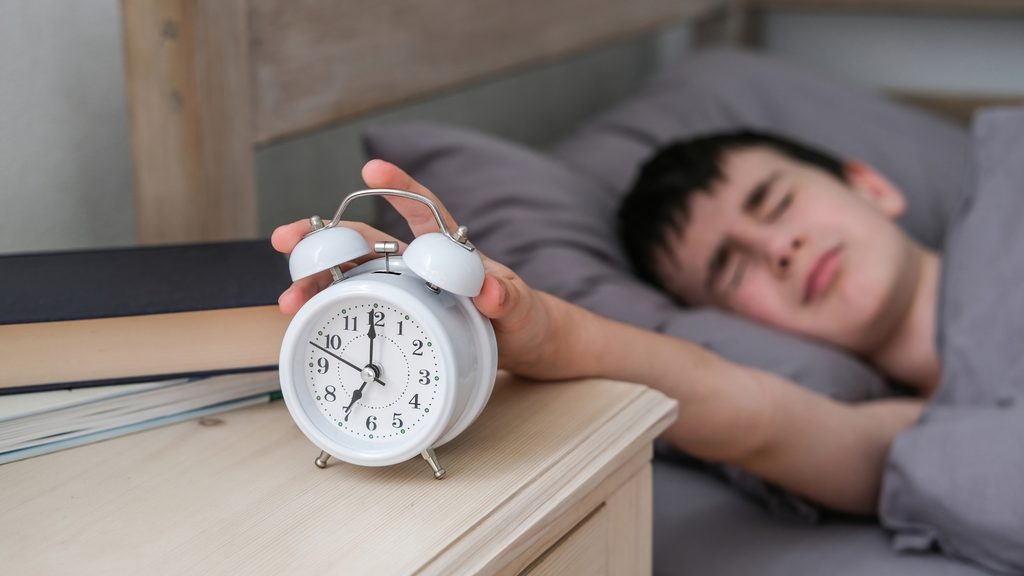
Few things affect ADHD and puberty as much as sleep, and few things get overlooked as often. During the teen years, the body clock naturally shifts later. Teens feel sleepy later at night and want to sleep later in the morning. Add ADHD, which already makes winding down difficult, and you get a teen who is wide awake at midnight and miserable at 6:30 a.m.
Tired brains look a lot like ADHD brains, and sleep is a big piece of ADHD and puberty. Poor sleep makes focus worse, emotions bigger, and motivation smaller. Sometimes a family comes to me worried that ADHD has taken a turn for the worse, and the real culprit is a few months of short nights. Before assuming anything else, take a hard look at bedtime routines, screens in the bedroom, and caffeine. Our article on ADHD and sleep walks through practical ideas that families can try.
Motivation Changes Too
Another surprise in ADHD and puberty is the shift in what motivates a teen. Younger children often work for praise and small rewards. Teens rarely do. A sticker chart that worked at nine can feel insulting at thirteen, and a parent’s approval may suddenly count for less than a friend’s.
The ADHD brain runs on interest, challenge, and meaning, and puberty shifts what a teen finds meaningful. Autonomy becomes the big prize. Teens want to choose, and they push back hard when they feel controlled. Our post on dopamine and ADHD explains the brain science behind why interest matters so much, and it helps parents understand why the old reward systems stop working.
Friendships and Social Life

Nothing shapes the experience of ADHD and puberty like friendships. Peer approval becomes enormously important, and teens with ADHD often find the social side tricky. They may interrupt without meaning to, miss subtle cues, or say the thing they were thinking before they could stop themselves. Friends who tolerated this at ten may be less patient at thirteen.
The result can be painful. A teen may feel left out, overreact to a group chat, or start to believe they are simply bad at friendship. As a coach, I try to help teens see these moments as skills to practice, not as proof of failure. We rehearse conversations, talk through what went wrong without blame, and celebrate the small wins, such as remembering to ask a friend a question or pausing before replying.
Parents can help by staying curious. Ask who your teen sits with at lunch, who makes them laugh, and who leaves them feeling drained. You will learn a great deal, and your teen will feel that you care about their world and not only their grades.
Middle School Versus High School
The shape of ADHD and puberty changes as the years pass. In middle school, the biggest challenge is usually the sudden jump in organization. Lockers, rotating classes, and several teachers all ask for something different, and a teen who loses a binder each week is not careless, only overwhelmed.
By high school, the challenge becomes long-range planning and independence. Teens are expected to manage projects over weeks, balance activities, and begin thinking about life after graduation. Families often notice that a teen who coasted earlier now hits a wall. For many, ADHD and puberty have settled, but the executive function demands keep climbing. This is a natural point to build life skills deliberately, and our post on ADHD life skills shares ideas for building them step by step.
Screens, Phones, and the Pull of Instant Rewards
Phones add another layer to ADHD and puberty. A teen’s brain is already hungry for novelty and social approval, and a phone delivers both in endless supply. Games, videos, and group chats offer quick rewards that homework simply cannot match, so a teen with ADHD can lose hours without noticing.
Taking the phone away in anger rarely works. It turns every conversation into a power struggle. A calmer approach is to build the boundaries together. Choose a charging spot outside the bedroom, agree on phone-free homework blocks, and let your teen help set the rules so that they feel some ownership.
Also, notice how your teen feels after screen time. Many teens, with a little reflection, can tell you which apps leave them energized and which leave them anxious or flat. That awareness is a powerful skill, and it grows best through curious questions, not lectures.
What Parents Often Get Wrong
I want to name a few common missteps, with kindness, because I have made versions of them in my own life as a parent too.
The first is assuming it is just attitude. When a teen who used to comply suddenly resists, it is easy to take it personally. Often, though, ADHD and puberty together have made the old routines too babyish, or the new demands too heavy, and resistance is the teen’s clumsy way of saying so.
The second is pulling back all support at once. Some parents hear that teens need independence and withdraw overnight. Independence is built in steps, not given in one leap. Your teen still needs structure. They need it delivered differently, as an offer and a partnership, not as a command.
The third is turning every conversation into correction. Teens with ADHD hear a steady stream of feedback, and years of it can shape how they see themselves. Our post on ADHD and criticism offers ways to give feedback that a teen can actually absorb.
How to Respond: A Coach’s Approach
So what does help? When I work with a family navigating ADHD and puberty, I start with curiosity, not fixes. We ask what has changed, what is hardest right now, and what the teen wishes were different. Teens are more willing to cooperate when they feel heard first.
Next, with ADHD and puberty, we make the demands visible and manageable. A teen who cannot plan a long assignment may do well when it is broken into small steps with a clear first move. A teen who loses track of time may need a visual timer on the desk. In ADHD and puberty, these are small supports, but they carry a big message: you can do this, and we will help you build the skill.
Then we shift the ownership gradually. Instead of the parent managing the planner, the teen manages it and the parent checks in once a week. Instead of the parent announcing the schedule, the teen proposes one and adjusts it. This is the core of what we mean when we talk about how ADHD coaching builds teen independence, and it is exactly the skill that puberty makes urgent.
Finally, we protect the relationship, because ADHD and puberty strain it most. During ADHD and puberty, the connection between parent and teen is the thing that makes everything else possible. A short, warm moment each day, with no agenda and no correction, does more good than most strategies. It might be a drive, a snack, or a quiet minute at bedtime.
Talking With Your Teen About What Is Changing

Many parents tell me they do not know how to bring up ADHD and puberty without embarrassing their teen. My advice is to keep it short, calm, and casual. A car ride works better than a sit-down talk. You might say, “I have noticed things feel harder lately, and I wonder if the changes in your body and your schedule are part of it.”
Normalize the experience. Let your teen know that ADHD and puberty hit many kids at once, that it is not their fault, and that you are on their team. Then listen more than you speak. Teens often open up only after a long pause, so resist the urge to fill the silence.
It also helps to explain that the goal is not to fix them. The goal is to find what works for their changing brain and body. When teens hear that message, they stop bracing for criticism and start offering ideas, which is where real progress begins with ADHD and puberty.
A Word About Medication
Parents often ask me whether medication needs to change during ADHD and puberty. As a coach, I cannot give medical advice or provide medication, and I would not want to guess. Growth, weight, appetite, and sleep can all shift in the teen years, and prescribers often reassess. If you have concerns about ADHD and puberty and treatment, bring your observations to your child’s doctor. Notes about sleep, mood, appetite, and focus across the week can make that conversation far more useful.
Coaching works alongside medical care and does not replace it. For a closer look at how the two approaches differ, see our post on ADHD coaching vs therapy.
When to Seek Extra Support
Most of what I have described about ADHD and puberty is within the normal range of the teen years, even if it feels intense. Still, there are times to reach out for more help. If your teen seems persistently hopeless, withdraws from everything they used to enjoy, or talks about harming themselves, contact your child’s doctor or a mental health professional right away. Those signs are not something to endure alone.
For the everyday struggles, such as slipping grades, constant conflict over schoolwork, or a teen who has lost confidence, coaching can make a real difference. The goal is not to push your teen harder. The goal is to give them the tools that match the new demands of this stage of life.
Where Coaching Fits
At Carolina ADHD Coaching, we work with teens during exactly this season. Our ADHD coaching for teens program builds routines, planning habits, and emotional skills at a pace that respects where your teen is. Our executive function coaching for teens with ADHD goes deeper on starting, organizing, and finishing.
If you are not sure where your teen is struggling most, the executive function assessment gives a clear picture. You can also read more about how ADHD coaching works before deciding anything.
Understanding ADHD and puberty is the first step, and you have already taken it by reading this far. The second is giving your teen a partner who helps them grow into the next stage without losing confidence along the way.
A Note From Danielle
I love the teen years, even the stormy ones that come with ADHD and puberty. There is so much becoming happening. The teen who slams a door on Tuesday may be the one who quietly thanks you on Friday. Hold on to that.
If ADHD and puberty have turned your home upside down, you are not failing. You are parenting a person in the middle of enormous change. Stay curious, keep the connection strong, and remember that skills can be built at any age.
Get an inside look at how our coaching works, what to expect, and how to get started. It’s free — and packed with helpful info for parents and students!
Download the Guide